
The Purist Mindset, Does It Hinder Creativity And Good Novel Adaptations?
I've been gone for awhile, here is a hot take.

We are fully immersed in the streaming platform era, there are countless platforms warring for your attention, and money. While it may cost more than ever to watch TV—especially if you want fewer ads (looking at you, Prime Video)—there’s a silver lining that comes with this new media landscape: adaptations. Over the past few years, particularly since the start of the COVID era, there has been an explosion of book-to-screen adaptations. Though many of these adaptations are TV shows rather than films, they’ve carved out a distinct subgenre in an already vast entertainment landscape. The sheer number of novels being adapted into visual media, just this year alone, is staggering.
This surge in adaptations (just check out this list from 2024 alone) seems like a dream come true for book lovers, right? What could be better than seeing beloved characters and worlds come to life on screen? But with this surge comes an undercurrent of controversy, and that's what I want to explore today. As exciting as these adaptations are, they also bring out the purists—fans who hold an unwavering loyalty to the source material. These diehard fans can be fiercely protective, rallying around the original novels and often criticizing changes or creative liberties taken by filmmakers and showrunners.
For these purists, any deviation from the book can feel like a betrayal. Whether it's changing a character’s backstory, omitting key scenes, or even altering the tone of the narrative, the purist mindset often views these changes as diminishing the integrity of the work. And while it's easy to dismiss these reactions as overzealous fandom, there are times when their frustrations are valid.
But where do we draw the line between justifiable critique and hindering creativity? Can this purist mindset actually get in the way of good storytelling or even prevent a faithful adaptation from becoming a great one? These are the questions I’ll be diving into today, using two specific examples of novel adaptations. In one, the fan outrage is arguably warranted, while in the other… not so much.
The Netflix Witcher Disaster, A Waste Of Potential
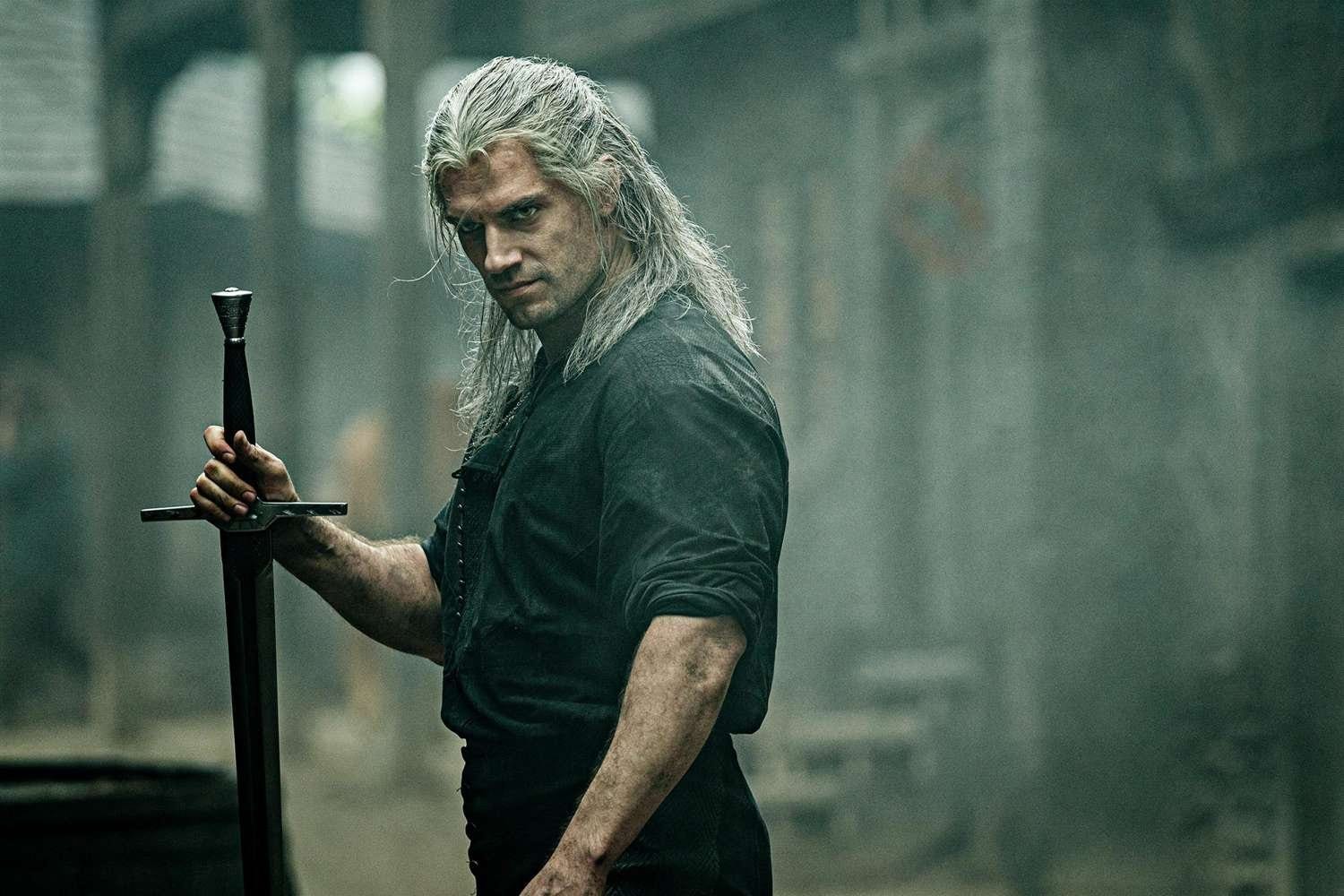
With a title this pointed, you might assume I’m one of those raging fans. You’d be right—at least when it comes to The Witcher franchise. So, bear with me for a moment. Imagine you’re a writer at Netflix, and suddenly in your lap lands a prebuilt roadmap to your very own Game of Thrones. This roadmap comes with a treasure trove of already-written novels, a series of critically acclaimed games, a massive fanbase hungry for more, and a fully fleshed-out world. Sounds like a golden opportunity to create a money-printing machine, right? Well… not quite.
In a perfect world, we could have gotten the next sprawling fantasy epic to rival the most popular shows out there. Instead, we ended up with a mess. Rather than follow the carefully laid-out roadmap, Netflix (and I say Netflix here, as it’s unclear exactly who pulled the strings behind the scenes) opted to invent characters, rework existing ones beyond recognition, and add new plot points. Now, reinvention and creative liberties aren’t necessarily a bad thing. The issue is how it was executed—and it’s especially problematic given the unique challenges of adapting something like The Witcher.
Whereas (spoiler alert for later) The Silmarillion is a collection of short stories meant to set up the wider world of Middle-Earth and is up to vast amounts of interpretation, Andrzej Sapkowski’s Witcher series doesn’t have that luxury. The books are more tightly defined, with less room for creative deviation or re-imagination. The Witcher is far more structured, with a clear narrative path that is crucial to its identity. That’s part of what makes the series so beloved—and part of why it’s so challenging to adapt without alienating fans. To complicate things further, Sapkowski is still very much alive, unlike Tolkien, who can no longer weigh in on adaptations of his work. This difference adds another layer to the issue at hand: there’s an inherent tension between honoring the source material and making bold creative choices.
Here is an overview of some of the most drastic changes that upset the most people…
Read the full blog here: